
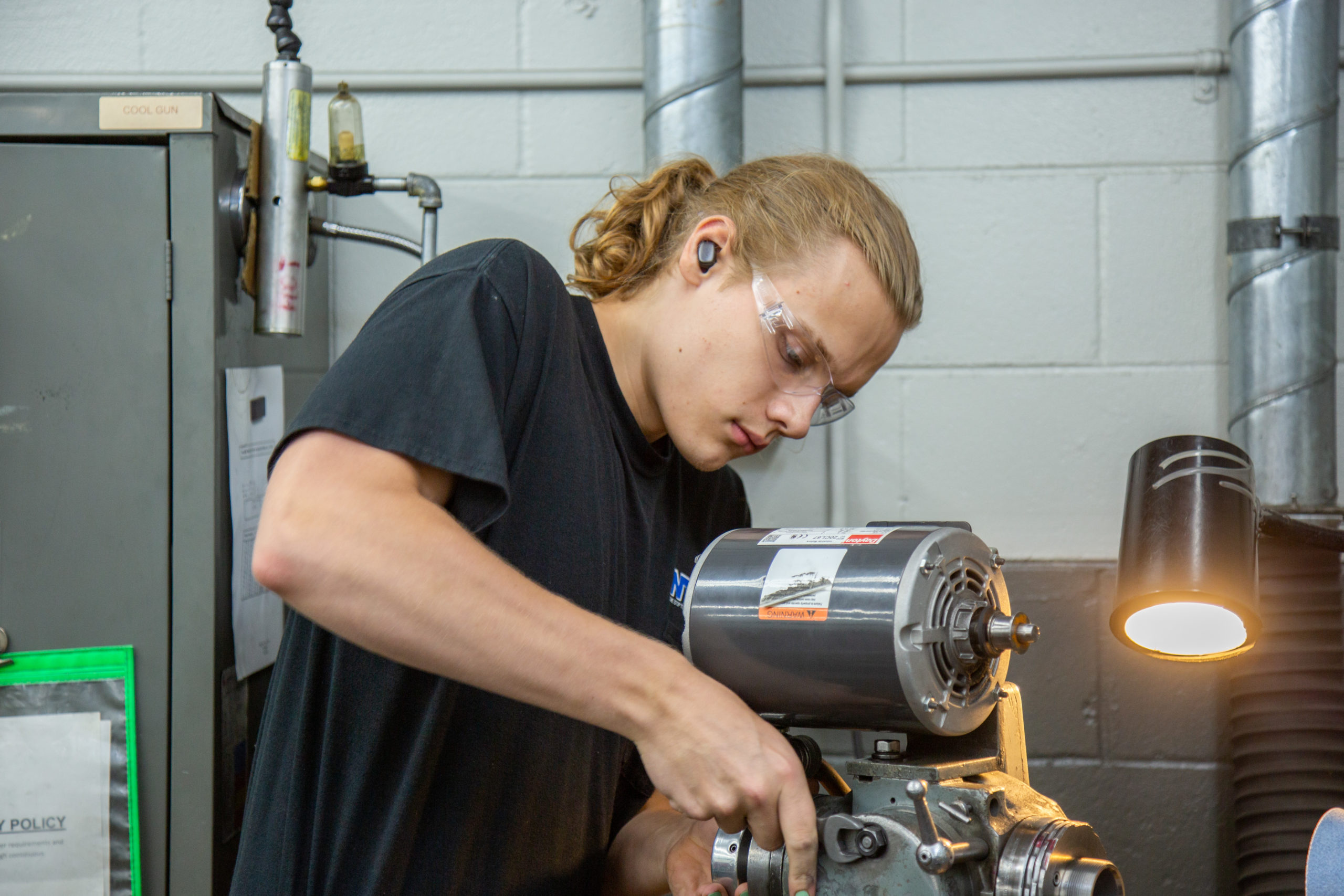
“Grinding” and “sharpening” get used interchangeably, but they solve different problems. Sharpening restores the cutting edge so a tool can make clean, predictable chips again. Grinding is controlled material removal to change geometry, correct wear beyond the edge, or refine a surface finish. Knowing which path to choose—and how to set up the job—keeps people safe, protects parts, and helps your Cutting tools run calmly instead of flirting with chatter and heat.
Plain definitions that guide decisions
Sharpening is about edge quality and minor geometry. If the tool’s body and form are intact, a precise sharpen can bring performance back without altering the part’s intended geometry. Grinding goes further: re-forming lands or flutes, correcting runout surfaces, or adding small features that the print demands. Pick the lightest touch that returns reliability. If a sharpen will restore size and finish, do that. If the tool’s shape is compromised, step up to grinding—or replace outright.
Setups first: stability beats heroics
Most problems start with motion, not wheels. Secure the work so it cannot creep, vibrate, or distort under contact pressure. For round or irregular stock, magnetic v blocks provide uniform clamping and consistent seating, which makes inspection and light grinding more predictable. Flat, precision-ground faces help align features and maintain squareness while you work. Stable workholding shortens the trial-and-error phase, protects edges, and reduces the risk of grabbing that can injure operators or mark a part. The calmer the setup, the smaller the downstream surprises.
A practical decision path
- Assess the edge and geometry. If wear is modest and geometry is sound, sharpen.
- Check the economics. If time and cost to regrind exceed a new tool—or the result would still be marginal—replace.
- Protect critical features. For tools that control tight bores, sealing surfaces, or datums, favor the option with the least process risk.
- Re-qualify after work. Verify runout, make a short cut, and confirm finish and size before releasing the tool to production.
Use clear language in your notes so the next operator knows exactly what “good” looks like.
Process fundamentals that prevent rework
- Match the abrasive to the job. Use wheels and bonds suited to the tool material and the task at hand.
- Control heat. Coolant concentration, flow, and aim matter; heat damage at the edge is silent until parts start drifting.
- Dress routinely. Keep the wheel open and true to maintain consistent cutting action.
- Measure what counts. Check edge condition, key diameters, and form features rather than relying on “looks sharp.”
- Document what worked. Wheel spec, speeds and feeds, coolant notes, and the achieved finish help make the next run instant.
Special notes for Cutting tools and internal features
For Cutting tools that see heavy roughing, inspect more frequently and watch chip form and color as early warnings. For tools used on internal features, remember that rigidity rules. Minimize bar overhang, ensure holders clamp without slip, and listen for the first hint of chatter. If vibration persists despite sound technique, step to a shorter, stiffer geometry and retest. When head or pocket damage appears, replacement is usually faster and safer than chasing a complicated repair.
Quality and safety, kept general on purpose
This guidance stays shop-agnostic so it can sit alongside your internal training and procedures. The common thread is predictability: stable workholding, intentional choices between sharpening and grinding, and quick verification before parts flow back to the line.
If you need a simple upgrade path, start with more reliable workholding—magnetic v blocks for consistency—and a sharpening partner who returns tools to spec or recommends replacement when that’s the smarter move.